Trope Glossary
Trope glossary
Torah Trope Symbols: The Cantillation Marks
Every trope mark (ta'am) explained — its name, its symbol, what it does in the verse, and how it sounds. Pick a mark to learn it, or hear them all in a reading.
Disjunctive marks (pauses)
These accents divide the verse — like punctuation — marking pauses of varying strength.
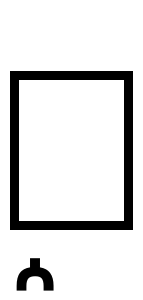
Etnachta
אֶתְנַחְתָּא
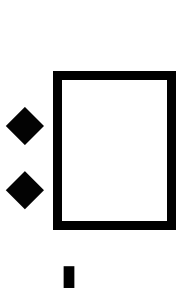
Sof Pasuk (Silluq)
סוֹף פָּסוּק

Segol
סֶגּוֹל
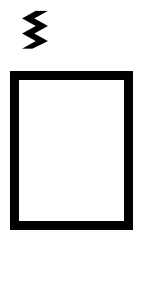
Shalshelet
שַׁלְשֶׁלֶת
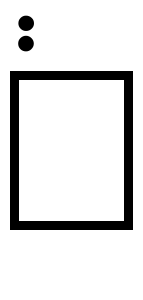
Zakef Katon
זָקֵף קָטָן
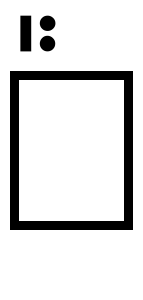
Zakef Gadol
זָקֵף גָּדוֹל
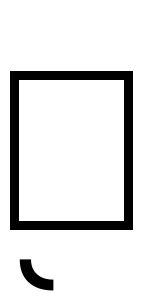
Tipcha
טִפְחָא
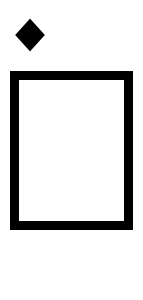
Revia
רְבִיעַ
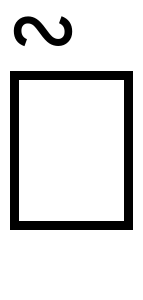
Zarka
זַרְקָא

Pashta
פַּשְׁטָא
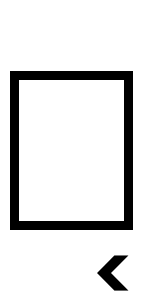
Yetiv
יְתִיב

Tevir
תְּבִיר

Geresh
גֵּרֵשׁ

Gershayim
גֵּרְשַׁיִם
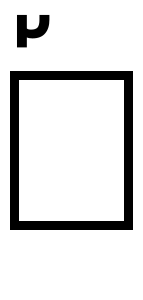
Pazer
פָּזֵר

Telisha Gedola
תְּלִישָׁא גְדוֹלָה
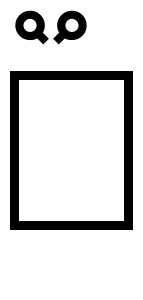
Karnei Farah
קַרְנֵי פָרָה
Conjunctive marks (connectors)
These accents connect words to the disjunctive that follows, carrying the melody forward.
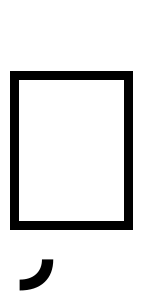
Mercha
מֵרְכָא
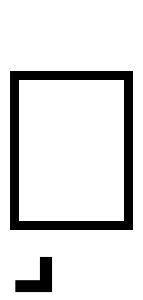
Munach
מֻנַּח
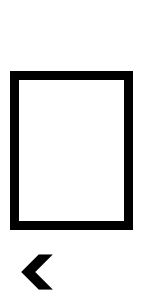
Mahpach
מַהְפַּךְ
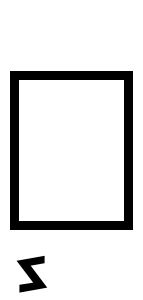
Darga
דַּרְגָּא

Kadma
קַדְמָא

Azla
אַזְלָא

Telisha Ketana
תְּלִישָׁא קְטַנָּה
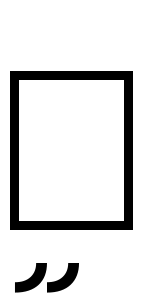
Mercha Kefula
מֵרְכָא כְּפוּלָה
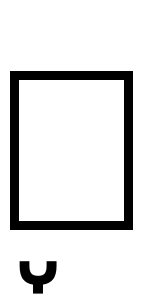
Yerach ben Yomo
יֵרֶח בֶּן יוֹמוֹ
Mixing up similar marks? See the commonly confused trope marks — Zakef Katon vs. Gadol, the two Telishas, Geresh vs. Gershayim, and more.
Ready to start chanting?
Join thousands of students, cantors, and congregations who learn Torah with TropeTrainer.
© 2026 HazzanSolutions. All rights reserved.